
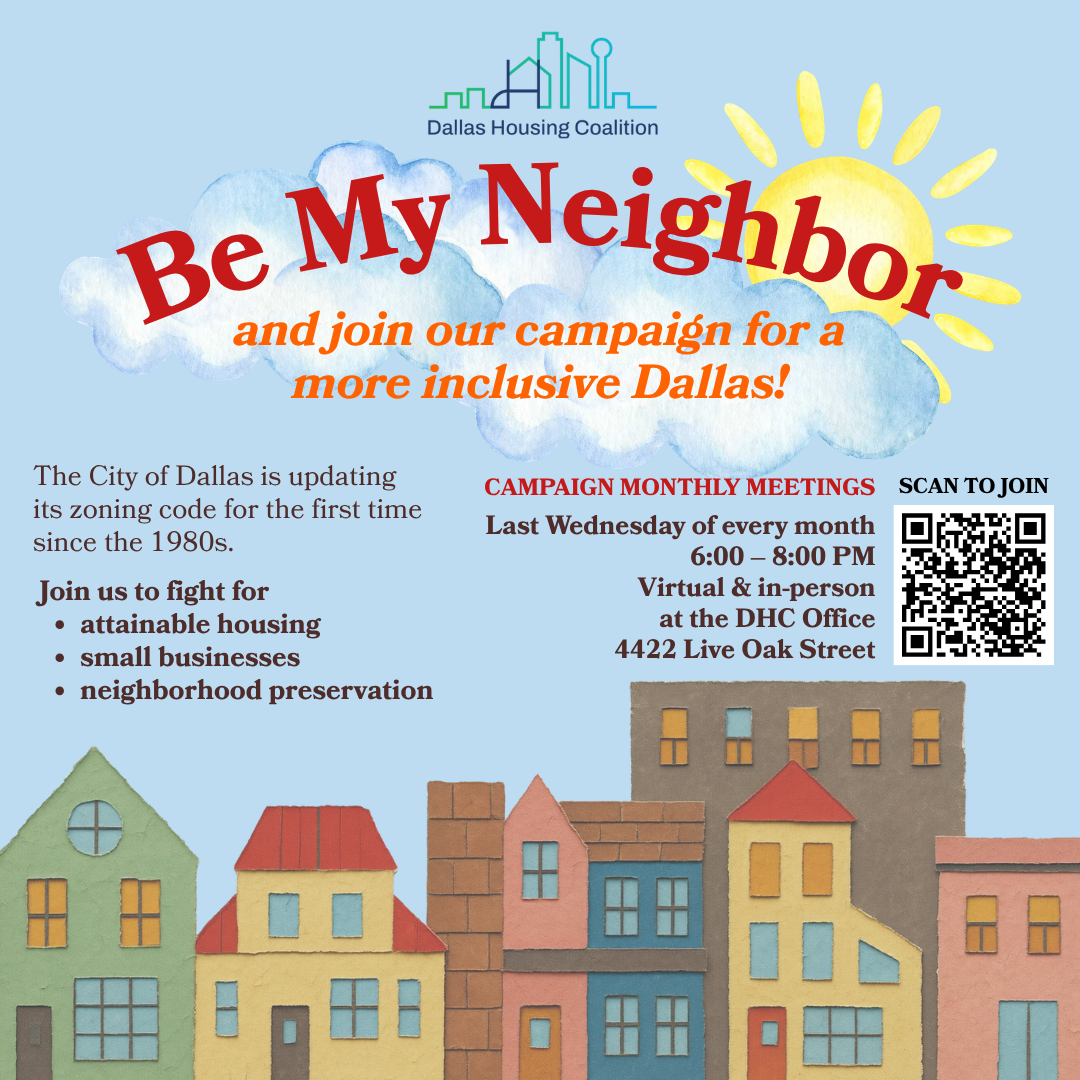
Be My Neighbor
Join our campaign to make Dallas' Zoning Code more equitable and inclusive
Credit: NBC Universal, Inc.
Be my neighbor and fight for attainable housing, small businesses, and neighborhood preservation!
The City of Dallas is updating its zoning code for the first time since the 1980s. This is a once-in-a-generation opportunity to address housing inequities in our zoning code and to pass policies that promote environmental sustainability, housing access, economic opportunity, and improved quality of life. To make this happen, we need you.
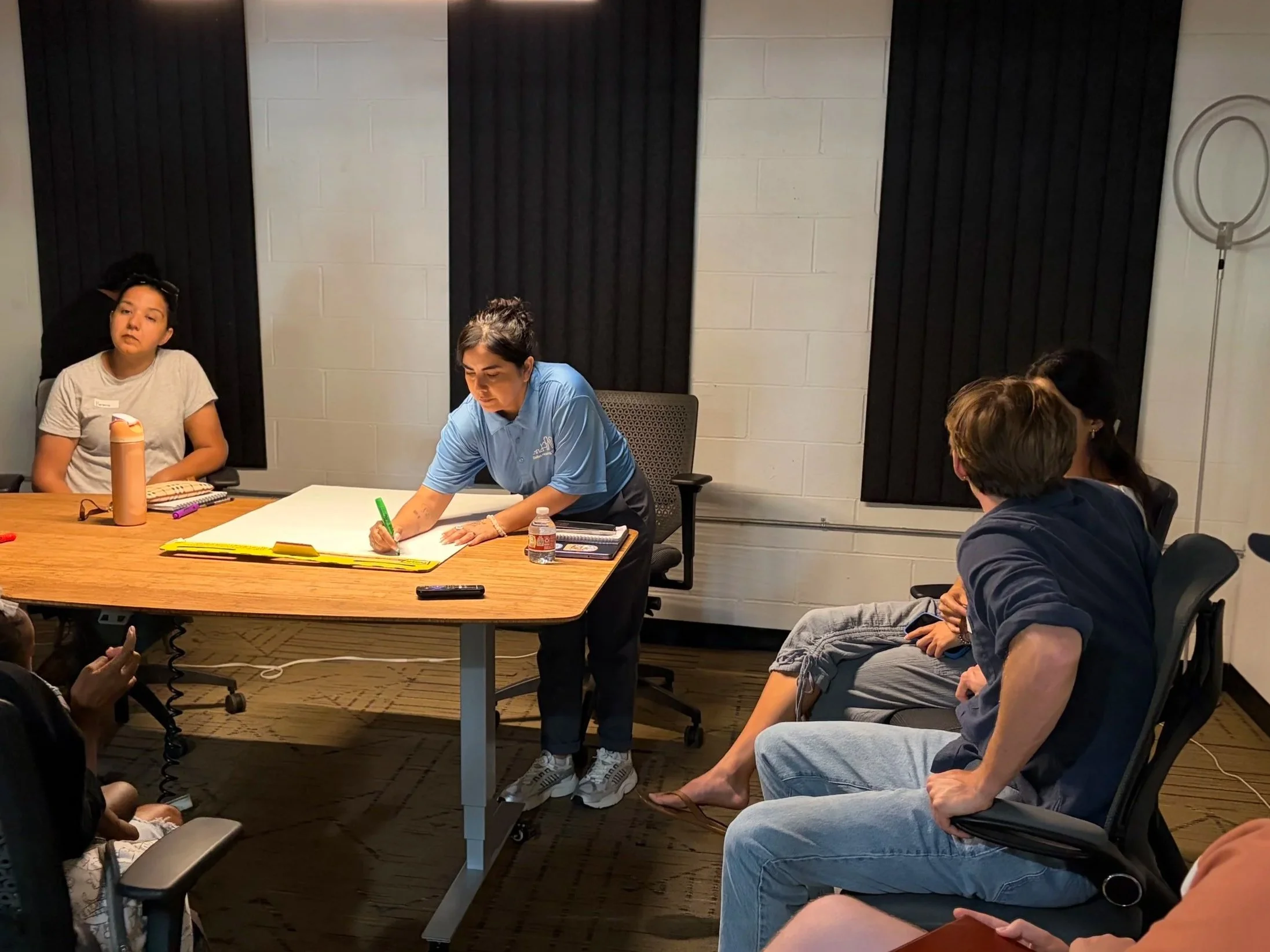
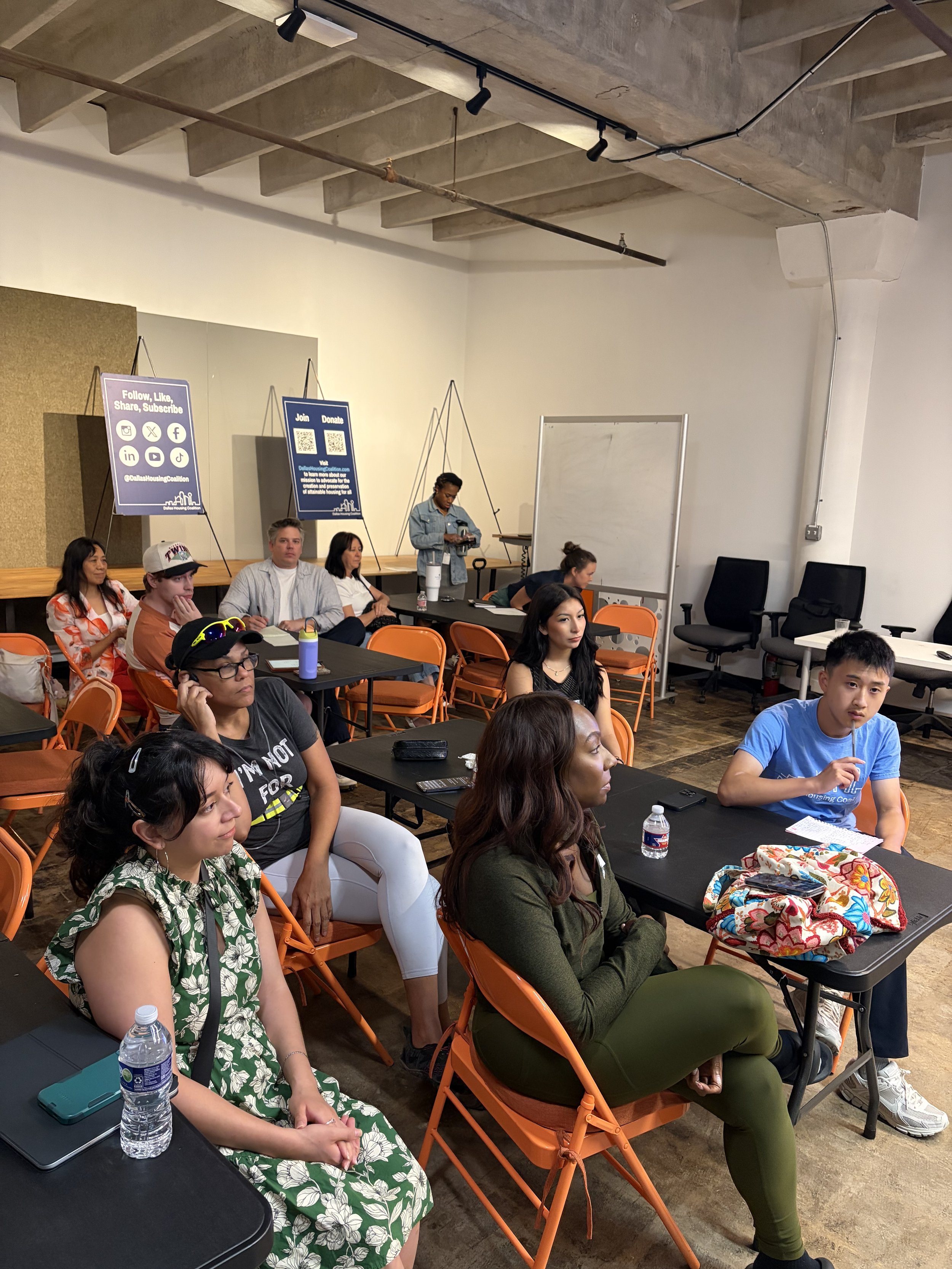
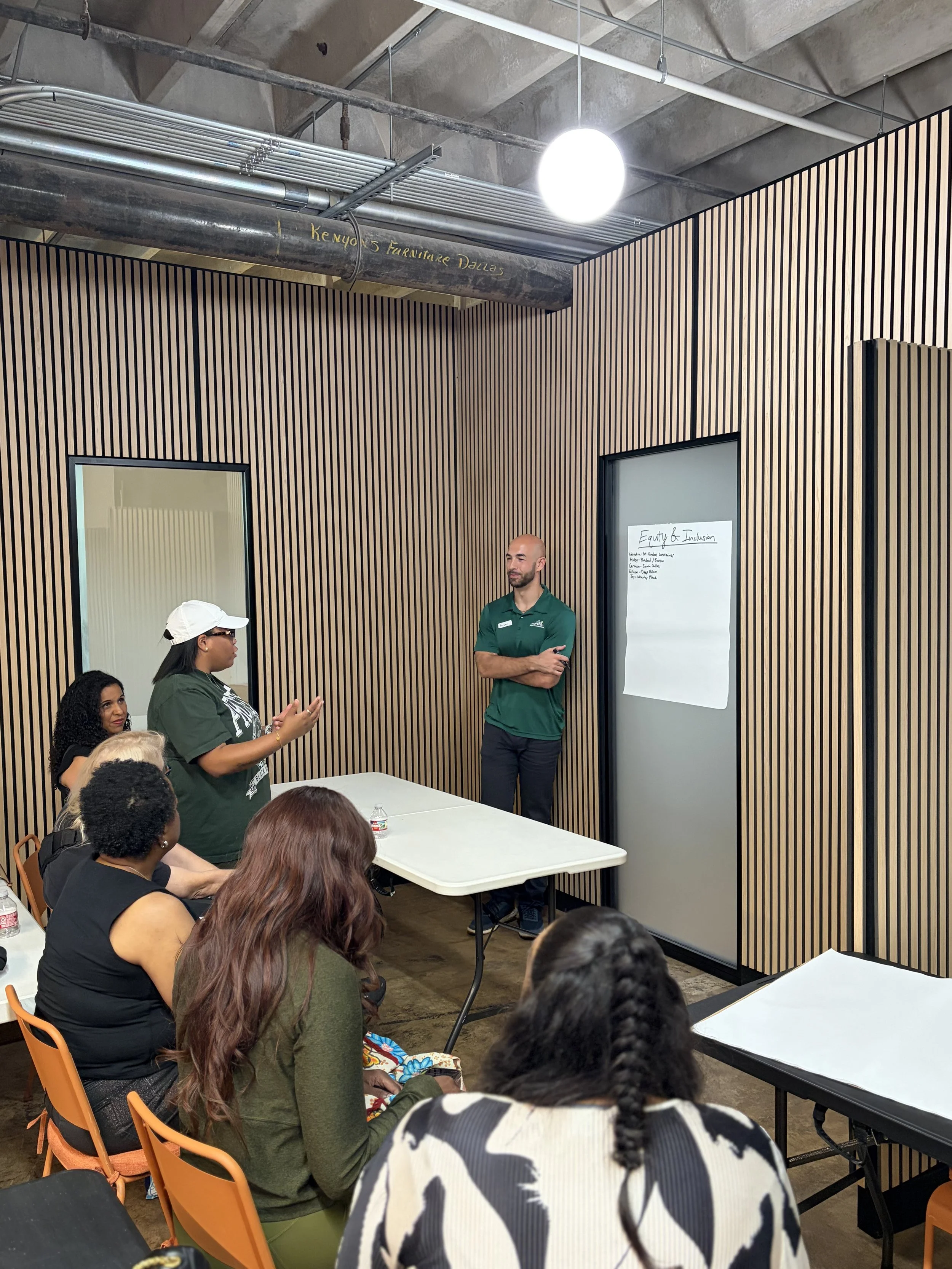
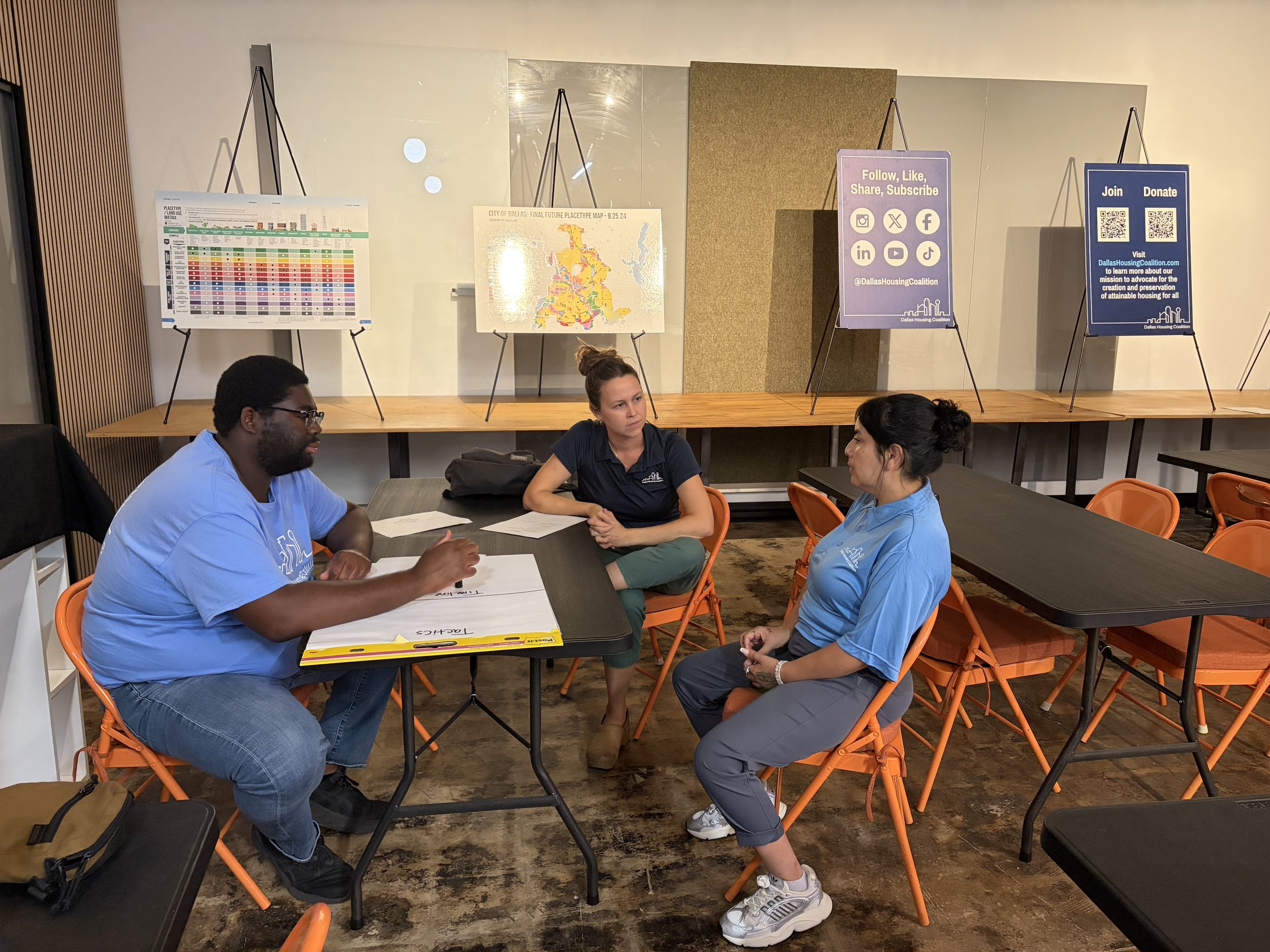
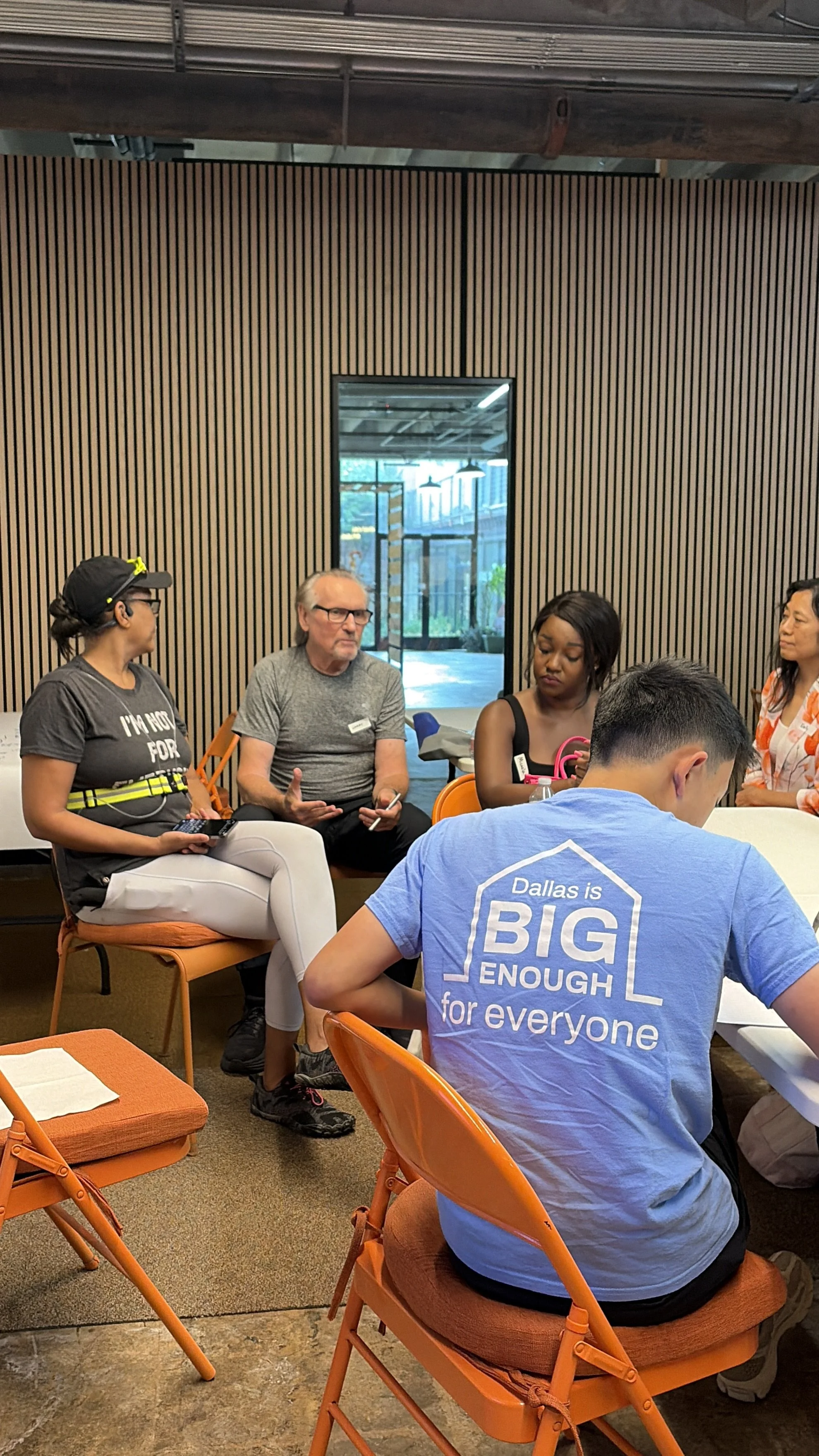
Join our new Be My Neighbor campaign, a grassroots effort to advocate for these policy changes throughout the zoning reform process. You are the expert on your own lived experience, and we want to know how this code update can benefit your community.
Our campaign is diverse and multi-generational, with a vision of creating a city with more housing options for people at all stages of life. There is a place in our campaign for you, too. We are recruiting more campaign members to advocate for the future of Dallas neighborhoods. You can join one of our committees and share your talents and time with us to make Dallas big enough for everyone.
Meetings are held the last Wednesday of every month from 6:00–8:00 PM, in person at the Dallas Housing Coalition office (4422 Live Oak Street) and via Zoom. If you're interested in getting involved with the campaign, fill out the "Get Involved" button at the top of the page, and we'll keep you updated on our next meetings and events.
Want us to speak or lead an educational session at your next neighborhood meeting or event? Send us a message.
What is zoning, and what does it regulate?
Zoning is a local regulatory tool that controls how land and buildings can be used. It regulates things like permitted uses (residential, commercial, industrial), where a building can be placed on a lot (setbacks), its size and bulk (height, floor area, lot coverage), parking, landscaping, signage, and accessory uses.
What are the common zoning districts?
Zoning districts include:
Residential
Office
Retail
Industrial
Agricultural
Mixed-use
What are the different types of zoning regulations?
Height
Homes per lot
Lot size
Parking
Coverage
Floor area ratio
Design standards
Why is Dallas updating its zoning / Development Code now?
Dallas’s current code has evolved through many ad hoc updates, becoming complex, inconsistent, and burdensome to administer. Dallas Zoning Reform aims to simplify and modernize the rules, better reflect the vision outlined in the Forward Dallas Comprehensive Plan, improve development predictability, and enable a broader range of housing types.
How will the new zoning reform relate to the ForwardDallas Comprehensive Plan?
ForwardDallas 2.0 casts a long-term growth vision and guides future land use policies and zoning decisions. The new zoning reform will transform those policies into enforceable rules by updating our zoning map and regulations to align with where and how the city wants growth to occur.
See the map of Dallas’ various “placetypes” below and linked here:
Regional Open Space
Small Town Residential
Community Residential
City Residential
Flex Commercial
Industrial Hub
Airport
Neighborhood Mixed-Use
Community Mixed-Use
Regional Mixed-Use
City Center
Logistics/Industrial Park
Institutional Campus
Utility

How can the public get involved in the zoning reform process?
Public feedback is being solicited at various stages, including workshops, stakeholder consultations, and written comments. These inputs help shape the proposed code before advisory committees, planning commissions, and the City Council review it. We encourage all our members and stakeholders to submit comments in support of zoning reform at dallaszoningreform.com/contacttheteam.
We are providing an example comment you can use as a template and customize to your housing experience. The more comments submitted to the City of Dallas in support of zoning reform, the better. Additional resources are available at the bottom of this page.
To get further involved, we invite you to become a member of our coalition and join our campaign.
“I am a Dallas [insert "resident" or organizational affiliation] in [insert neighborhood] and support allowing more homes to be built “by right” because increasing the supply of housing will help lower housing costs across Dallas. This is important to me because [insert personal reason why you desire to see a more affordable Dallas or how and why limited housing options and types of housing have increased housing costs and prevented families from renting or owning a home in your neighborhood].
As a member [or supporter] of the Dallas Housing Coalition, I support making our current zoning districts more permissive, empowering residents, community-oriented developers, and businesses to build housing and open without going through unpredictable zoning change processes or having to seek a permit, variance, etc.
Please reduce, simplify, or remove zoning requirements that prevent new housing from being built, slow down permitting, and make Dallas less walkable and environmentally friendly.”
What changes might affect residential neighborhoods (single‑family, duplexes, etc.)?
Reform may allow more housing types in places where they are currently restricted, adjust rules for building height, lot coverage, and setbacks, and better integrate transitions between more intense and less intense zones. These changes are intended to encourage housing diversity while still respecting neighborhood character.
How will the new zoning code affect parking requirements?
Dallas’ parking code amendments adopted in May 2025 removed many of the rigid, “one‑size‑fits‑all” off‑street parking minimums. It has allowed greater flexibility to right‑size parking to the context near transit, for example, while retaining minimum requirements in some instances, such as multifamily homes.
What is Dallas Housing Coalition advocating for?
Dallas needs more housing - over 39,000 multifamily homes and over 16,000 single-family homes according to the latest estimates by the Child Poverty Action Lab and buildingcommunityWORKSHOP respectively. We believe Dallas should increase housing choice and access by legalizing more housing types and allowing more housing to be built across the city for residents of all incomes, backgrounds, and stages of life. Here at DHC, we are advocating to:
Allow more homes to be built “by right” (without going through the zoning change process or having to seek a permit, variance, etc.) or permitted with standards
Make current zoning districts more permissive to allow more residential housing and a diversity of uses, such as retail and mixed-use
Codify SB 840 into rental and office zoning districts to align with state law
Reduce minimum lot size requirements
Create "transition zones" along corridors, major streets, or adjacent to any commercial land uses, where missing middle housing types and mixed-use developments could be built
Update the new zoning code with affordable housing incentives to apply to all districts that allow multifamily development
Create live-work zoning districts that allow commercial uses by right and legalize home-based businesses
Permit accessory dwelling units (ADUs) by right
Promote the revitalization of historic buildings by permitting structures built before 1945 to be internally converted for residential and/or commercial use by right
Develop a City of Dallas library of pre-approved construction plans for homes
Remove Jim Crow era deed restriction references in Dallas’ zoning code
What is the “Code Diagnostic,” and why is it important?
The Code Diagnostic is a comprehensive review of Dallas’s current development and zoning rules, used to identify issues, redundancies, inconsistencies, and opportunities for modernization. It forms a foundation for proposing new regulations and ensuring that reform is data‑informed, transparent, and responsive to community needs.
The City of Dallas and its consultants have created an official Dallas Zoning Reform webpage, where you can find the Diagnostic Report and other resources.
What's the current timeline for zoning reform in Dallas?
We anticipate the City of Dallas following the below timeline:
Summer 2026: Public Draft Code 1.0
Fall 2026: Open houses, engagement, information material
Spring 2027: Public Draft 2.0 (Redline), workshops
Winter 2027 - 2028: Begin public hearings + adoption process
Will existing developments and neighborhoods be forced to change under the new code?
In general, zoning reforms aim to balance progress with stability, so many existing lawful uses or conforming developments would likely be grandfathered or otherwise protected. That said, the reform may introduce new rules about bulk, setbacks, or the amount of housing and allowable housing types on certain lots.
What additional resources does the Dallas Housing Coalition have?
With the support of our members, we have compiled several resources that are available for your use and reference:
Zoning 101 One-Pager
Dallas Zoning Reform Comments Requested Flier
English and Spanish Step-by-Step Zoning Reform Comment Submission Graphics